
Business Leisure Travel (The Rise of Bleisure Explained)
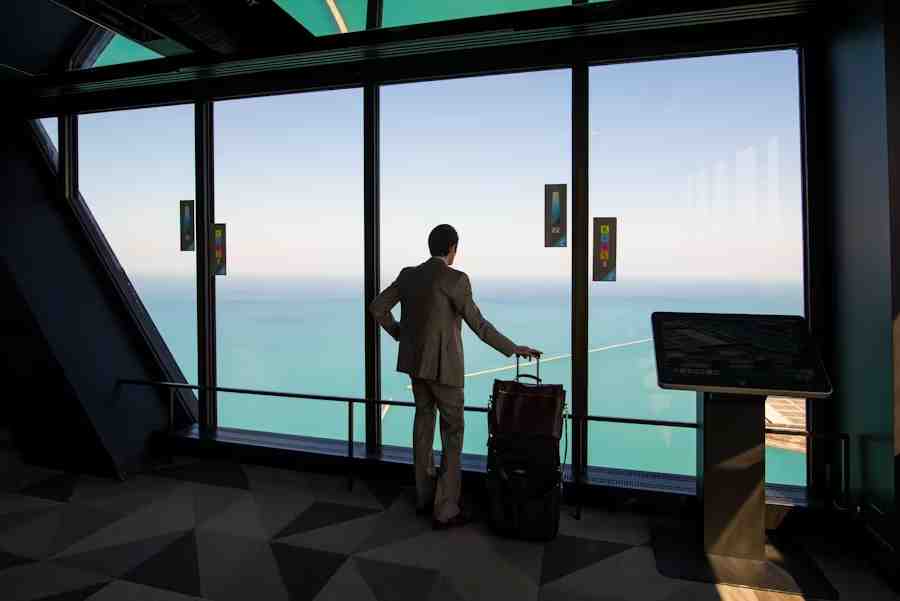
One of the most significant and lasting trends to emerge in the world of corporate travel is the rise of "bleisure" travel. The term, a portmanteau of "business" and "leisure," refers to the increasingly common practice of employees extending a business trip with personal vacation days. A work trip for a conference in Denver from Monday to Wednesday might now include a personal ski trip in the Rockies from Thursday to Sunday. This blending of work and personal life on the road has moved from being a rare exception to a mainstream expectation, especially among Millennial and Gen Z professionals who prioritize experiences and work-life integration over traditional corporate perks.
For companies, this trend presents both a huge opportunity and a new set of management challenges. A well-managed bleisure program can be a powerful, low-cost tool for boosting employee morale, combating burnout, and winning the war for talent. However, without a clear policy framework, it can also create confusion around expenses, liability, and a company's Duty of Care. This guide will provide a comprehensive explanation of what bleisure travel is, why it matters, and how your company can build a strategic program to embrace it.
Why Bleisure Travel is More Than Just a Trend
The rise of bleisure is not a fleeting fad; it's a structural shift in how we think about work and travel, driven by several key factors:
- The Blurring Lines of Work and Life: The widespread adoption of remote and hybrid work has broken down the rigid nine-to-five schedule and the traditional office structure. Employees are now more accustomed to blending their personal and professional lives, and this extends to how they travel.
- A Focus on Employee Well-being: Companies are increasingly recognizing that employee burnout is a major business risk. Business travel can be grueling, and a bleisure trip offers a built-in opportunity for travelers to decompress and recharge, leading to better mental health and higher productivity upon their return.
- A Powerful Tool for Talent Attraction and Retention: In a competitive job market, a flexible bleisure policy is a highly attractive perk. It signals that a company trusts its employees and is committed to their well-being. For a top candidate choosing between two job offers, a company that allows them to explore a new city on their own dime after a week of meetings can be a significant differentiator. Our guide on boosting morale through travel highlights this as a key strategy.
- A High-ROI, Low-Cost Benefit: This is the most compelling aspect for finance leaders. When structured correctly, a bleisure program has a minimal direct cost to the company but delivers a massive "soft ROI" in the form of higher employee satisfaction and retention.
Building an Effective Bleisure Travel Program
To reap the benefits of bleisure without introducing risk or chaos, your company needs a formal, clearly communicated policy. A bleisure program run on vague, informal approvals is a recipe for confusion and disputes. A successful program is built on two pillars: a clear policy and the right technology to automate it.
The Policy: A Framework for Clarity and Fairness
Your bleisure policy should be a straightforward document that clearly separates the "business" portion of the trip from the "leisure" portion.
1. The Approval Process:
- The Rule: A request to add personal days to a business trip must be made as part of the standard pre-trip approval process.
- Why it Matters: This ensures the employee's manager is fully aware of the entire itinerary, including the personal days, and approves it before the trip is booked.
2. Expense Management for Blended Trips: This is the most critical section for preventing confusion.
- The Airfare Rule (The "Cost Comparison"): The company pays for the cost of a standard, business-only round-trip flight. The employee is responsible for any additional cost if their preferred leisure dates result in a more expensive fare.
- Example: A flight to London for a Monday-Wednesday business trip costs $800. The employee wants to stay for the weekend and return on Sunday. That flight costs $950. The company pays $800, and the employee pays the $150 difference.
- The Accommodation Rule: The company pays for the hotel room only for the nights required for business activities. The employee pays for all personal nights.
- The Meals Rule: The company's meal per diem applies only on designated business days.
3. Duty of Care and Liability: The policy must draw a bright line where the company's legal responsibility for the employee's safety begins and ends.
- The Rule: The company's Duty of Care obligation applies only during the defined business portion of the trip. During the personal days, the employee is on their own time and travels at their own risk.
- Why it Matters: This is crucial for mitigating corporate liability. The policy should also strongly recommend that the employee purchase their own personal travel insurance to cover the leisure portion of their trip.
The Technology: Automating the Complexity
Managing a bleisure program manually with spreadsheets is an administrative nightmare. A modern travel management platform is essential for automating the process and making it seamless for everyone.
- Automated Cost Comparison: A modern booking tool can automatically run a "cost comparison" when a bleisure trip is requested. It will instantly calculate the fare for the business-only trip and show the employee the exact fare difference they are responsible for, providing total transparency.
- Split Billing and Payment: The platform should be able to handle a split payment for a hotel, billing the business nights to the company's central account and allowing the employee to pay for their personal nights with their own card.
- A Clear Itinerary: The final itinerary generated by the platform should clearly delineate the "business" and "leisure" days, providing a clear record for both the traveler and the company.
Platforms like Routespring are designed with this kind of flexibility in mind, providing the tools needed to manage a modern, bleisure-friendly travel program with ease and control.
The Business Case for Bleisure
A bleisure program is one of the highest-ROI initiatives a company can implement. The direct costs are minimal to non-existent when managed correctly. The returns, however, are substantial.
- Reduced Employee Burnout: It provides a built-in mechanism for travelers to recharge.
- Increased Loyalty and Retention: It's a highly valued perk that makes employees feel trusted and appreciated. The cost of a bleisure program is a tiny fraction of the cost of replacing a valued employee.
- A Stronger Employer Brand: It positions your company as a modern, flexible, and employee-centric place to work, which is a powerful advantage in attracting new talent.
In the new world of work, flexibility and work-life integration are no longer optional perks; they are core components of a successful talent strategy. A well-managed bleisure program is a tangible and powerful way to bring that strategy to life, turning your travel program into a source of competitive advantage.
Frequently Asked Questions (FAQ)
1. Does allowing bleisure travel increase a company's travel costs? No, when managed with a proper "cost comparison" policy, it should not. The company's cost is benchmarked to what a business-only trip would have cost. In some cases, it can even save the company money if the employee's more flexible return date results in a cheaper flight.
2. How do we manage approvals for bleisure trips? The request to add personal days should be part of the standard pre-trip approval workflow in your travel management platform. The manager should see the full itinerary, including the leisure days and any fare difference, before they approve the trip.
3. What happens if a work meeting gets canceled after a bleisure trip has been booked? Your policy should address this. A fair approach is that if the business reason for the trip is canceled by the company, the company would be responsible for any flight change or cancellation fees. The employee would then have the option to either cancel their personal trip or proceed with it, now covering all costs themselves.
4. Can an employee use their company's negotiated hotel rate for their personal nights? This depends on your agreement with the hotel. Some corporate rate contracts allow for employees to use the rate for leisure travel. This can be a great additional perk for the employee at no cost to the company. Your travel manager should clarify this during the hotel negotiation process.
5. We are a small company. Is a bleisure program too complex for us to manage? Not with the right technology. A modern, all-in-one travel management platform automates the complex parts, like the cost comparison and split billing. This makes it very simple to administer a professional bleisure program, even for a small team without a dedicated travel manager.
  </change>
  <change>
    <file>src/content/blog/managing-your
Related solutions
Last updated: December 31, 2025