
Debunking the Top 4 Myths About Jet Lag
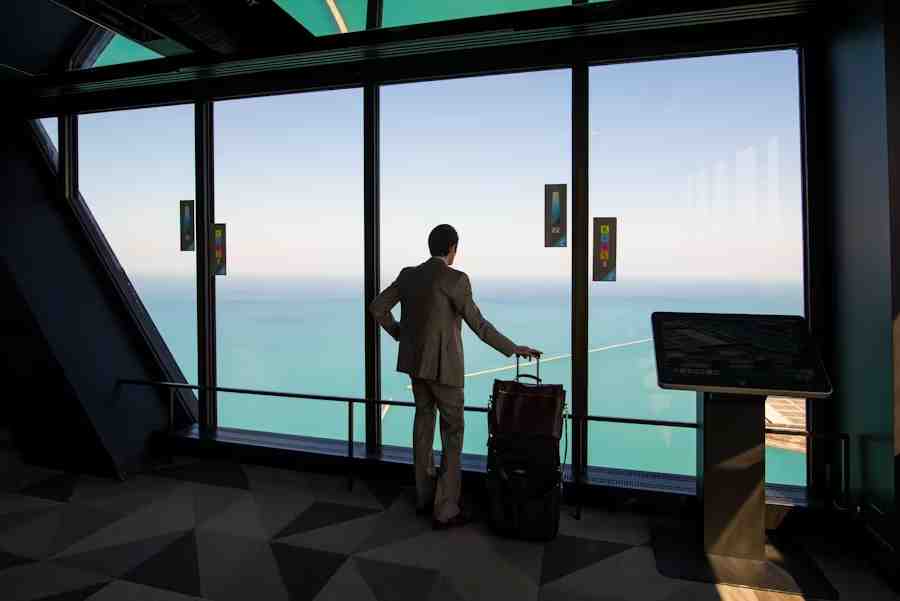
For any frequent business traveler, jet lag is a familiar and formidable foe. That feeling of fatigue, brain fog, and being completely out of sync with your new time zone can severely impact your productivity, decision-making, and overall well-being. The internet is filled with advice on how to combat it, but much of it is based on myths and old wives' tales.
To truly conquer jet lag, you need to understand the science behind it and adopt evidence-based strategies. Jet lag occurs when your body's internal clock, or circadian rhythm, is out of sync with the new time zone you've traveled to. Your body thinks it's 3 AM, but the local time is 9 AM and you have a client meeting to get to. The key to overcoming it is to reset this internal clock as quickly as possible. This guide debunks the top four most common myths about jet lag and provides practical, science-backed solutions.
Myth 1: "A sleeping pill on the plane will solve it."
This is one of the most common and most misguided beliefs.
- The Reality: A sleeping pill does not induce natural sleep; it induces sedation. The "sleep" you get is not the same restorative sleep your body needs. You may wake up feeling groggy, disoriented, and even more out of sorts-a feeling often called a "sleep hangover." Furthermore, being heavily sedated on a plane can be a safety risk, as it may impair your ability to react in an emergency.
- The Better Strategy: Instead of a sleeping pill, focus on creating a good sleep environment. Use a high-quality eye mask to block out light, noise-canceling headphones to block out sound, and a comfortable neck pillow. If you do need help sleeping, a small dose of melatonin, a hormone your body naturally produces to regulate sleep, is a much safer and more effective option for helping to reset your circadian rhythm.
Myth 2: "If I'm tired when I arrive, a long nap will help me catch up."
It's tempting to check into your hotel and immediately crash for a few hours, but this can be one of the worst things you can do.
- The Reality: A long daytime nap can completely sabotage your efforts to adapt to the new time zone. If you sleep for three hours in the afternoon, you will likely find it impossible to fall asleep at a normal local bedtime, which just prolongs the jet lag cycle.
- The Better Strategy: If you are exhausted upon arrival, take a short power nap of no more than 20-30 minutes. This is long enough to take the edge off your fatigue without putting you into a deep sleep that will disrupt your nighttime rest. After your power nap, get up and get outside into the natural daylight.
Myth 3: "A glass of wine on the flight will help me relax and sleep."
Many travelers think a drink or two will help them nod off, but alcohol is a major enemy of good sleep, especially at altitude.
- The Reality: While alcohol might make you feel drowsy initially, it severely disrupts the quality of your sleep later in the night. It suppresses REM sleep, which is critical for cognitive function and memory consolidation. The dehydrating effects of alcohol are also amplified in the dry air of a plane cabin, leading to headaches and increased fatigue.
- The Better Strategy: Hydrate relentlessly with water. Drink water before, during, and after your flight. Avoid alcohol and excessive caffeine. Arriving well-hydrated will do far more to combat fatigue than a glass of wine ever could.
Myth 4: "It doesn't matter what I eat."
What you eat and when you eat can have a significant impact on your energy levels and your body's ability to adapt.
- The Reality: Heavy, greasy, and high-sugar meals can lead to energy crashes and digestive discomfort, which only exacerbates the symptoms of jet lag.
- The Better Strategy:
- Eat on the New Time Zone's Schedule: As soon as you get on the plane, try to start eating your meals according to the schedule of your destination.
- Choose Light, Energizing Foods: Opt for meals rich in protein and complex carbohydrates. Avoid heavy, fatty foods that can make you feel sluggish. Packing your own healthy snacks can help you avoid unhealthy airport options.
Conquering jet lag is about working with your body's natural rhythms, not against them. By avoiding these common myths and adopting healthier, science-backed strategies, you can significantly reduce the impact of jet lag and arrive at your destination ready to perform at your best. For more ways to improve your travel life, check out our guide to reducing travel stress.
Related solutions
Last updated: May 29, 2024