
Business and Leisure Travel Trends for 2026
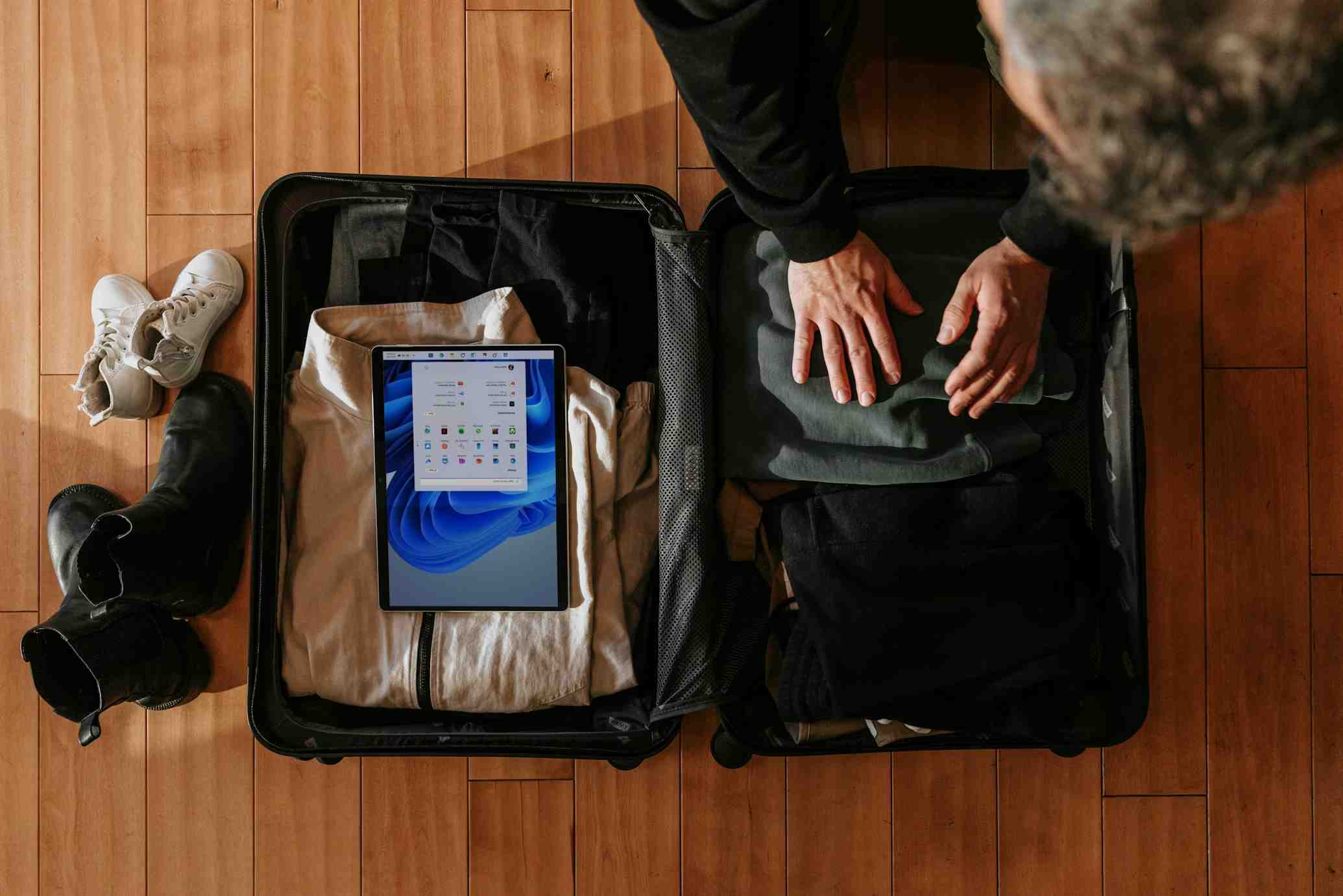
The way we work has fundamentally changed, and so has the way we travel for work. The rigid separation between our professional and personal lives is dissolving, and nowhere is this more evident than in the world of corporate travel. The fusion of business and leisure travel, often called "bleisure," has moved from a niche perk to a mainstream expectation that is profoundly reshaping travel policies, technology, and corporate culture. As we look to 2026, understanding the trends at this intersection is critical for any company that wants to build a modern, attractive, and effective travel program.
The modern employee, particularly from the Millennial and Gen Z generations, does not just want a paycheck; they want experiences. They seek a career that integrates with their life, not one that detracts from it. A well-managed business and leisure travel program is a powerful way for a company to deliver on this desire. This guide explores the key trends in bleisure travel for 2026 and what they mean for your business.
Trend 1: "Bleisure" Becomes a Formal, Strategic Policy
For years, bleisure travel was an informal, under-the-table arrangement. An employee might ask their manager if they could stay the weekend after a business trip, and the approval was handled with a casual email. This ad-hoc approach is no longer sufficient.
- The Trend: Companies are moving to formalize their approach with a clear, written business leisure travel policy. This is no longer just a "perk"; it's a strategic tool for talent management.
- The Impact: A formal policy provides clarity and fairness for everyone. It explicitly outlines how expenses are handled (e.g., the "cost comparison" rule for airfare), where the company's Duty of Care begins and ends, and the approval process required. This removes ambiguity, prevents disputes, and allows the company to offer the benefit in a structured and risk-managed way.
- The Takeaway for Companies: If you don't have a formal bleisure policy, you need to create one now. It's a foundational part of a modern travel program.
Trend 2: The Rise of "Work-From-Anywhere" and Longer Trips
The traditional three-day business trip is being replaced by longer, more blended itineraries. The rise of remote work has untethered knowledge workers from their desks, and this is reflected in their travel patterns.
- The Trend: Instead of a short trip for a single meeting, an employee might now travel to a new city for a whole week. They might work from the company's local office for two days, have client meetings for two days, and then take a personal day on Friday. This "work-from-anywhere" mentality is an extension of bleisure.
- The Impact: This requires travel technology and policies that are much more flexible.
- Accommodation: There's a growing demand for accommodation options that are better suited for longer stays, such as serviced apartments with kitchens and workspaces, in addition to traditional hotels.
- Technology: Employees need reliable Wi-Fi, secure connections (VPNs), and a travel management platform that can handle these more complex, multi-purpose itineraries.
Trend 3: Technology That easily Manages Blended Travel
A manual process for managing bleisure trips is a non-starter. The complexity of splitting costs and tracking different trip segments requires sophisticated technology.
- The Trend: The travel management platforms that are winning are those that can handle the nuances of bleisure travel effortlessly.
- The Impact: A modern platform like Routespring automates the most difficult parts of a blended trip.
- Automated Cost Comparison: The platform can automatically calculate the cost of a business-only flight and compare it to the requested bleisure flight, showing the employee the exact fare difference they need to pay.
- Split Itineraries: The system can create a single, clear itinerary that visually distinguishes between the "business" and "leisure" days, providing clarity for both the traveler and the finance team.
- Integrated Expense Reporting: It ensures that only expenses incurred on the designated business days are submitted for reimbursement.
Trend 4: The Focus on Authentic, Local Experiences
Bleisure travelers are not interested in generic tourist traps. They want to experience a destination like a local.
- The Trend: There's a growing desire for authentic cultural and culinary experiences. Travelers are looking for unique neighborhood restaurants, local markets, and off-the-beaten-path activities.
- The Impact: This is a huge opportunity for companies to enhance the employee experience.
- Curated Recommendations: A forward-thinking company might provide its travelers with a curated guide to its most-traveled cities, offering recommendations for great local coffee shops, running routes, and unique restaurants.
- Building Team Connection: If a team is traveling together, a leader can organize a group activity that taps into this trend, like a local food tour or a cooking class, which is a much more memorable bonding experience than a generic hotel dinner.
Trend 5: Bleisure as a Key Driver of Employee Well-Being
The conversation around business travel has shifted from a pure focus on cost to a more holistic view that includes employee well-being. Bleisure is at the center of this conversation.
- The Trend: Companies are recognizing that frequent travel can lead to burnout. A bleisure trip provides a built-in opportunity for an employee to rest, recharge, and de-stress.
- The Impact: A travel program that supports bleisure is a direct investment in your employees' mental health. It shows that you value their work-life balance and are committed to making business travel a more sustainable and positive experience. This is a powerful tool for improving morale and reducing traveler stress.
- The ROI: The business case is clear. A happy, well-rested employee is a more productive and engaged employee. The "cost" of a bleisure program is negligible, but the return on investment in the form of higher employee retention and productivity is massive.
Conclusion
The fusion of business and leisure travel is no longer a niche trend; it is a central feature of the modern corporate travel landscape. The companies that will win the war for talent and build the most resilient cultures are those that embrace this shift strategically. This means moving beyond informal, ad-hoc approvals and building a formal, well-managed bleisure program. By creating a clear policy, leveraging modern technology to automate the complexity, and focusing on creating a great traveler experience, you can turn your travel program into a powerful tool for employee satisfaction and a genuine competitive advantage.
Frequently Asked Questions
1. How do we ensure work gets done if our employees are thinking about their vacation? This is about trust and clear expectations. The policy should state that work responsibilities are always the first priority. A bleisure trip is a perk, not a right, and it is contingent on the employee fulfilling all of their business obligations at a high level. A culture of accountability is key.
2. Does a bleisure program create more work for our finance and admin teams? If you try to manage it manually with spreadsheets, then yes, it creates a huge amount of work. But if you use a modern travel and expense platform that is designed to handle blended travel, it can be almost entirely automated. The software should handle the cost comparisons and split billing, creating no new administrative burden.
3. What about Duty of Care? Is the company responsible for the employee during their personal days? This is a critical point that your policy must address explicitly. The company's legal Duty of Care obligation applies only during the designated "business days" of the trip. The policy should state that during the "leisure days," the employee is on their own personal time and is responsible for their own safety and insurance.
4. Can we restrict which employees are eligible for bleisure travel? While you can, a more inclusive approach is generally better for morale. A fair policy should be available to all employees who travel for business, provided they get the necessary manager approval.
5. How can a travel management platform help us manage our bleisure program? A platform like Routespring is essential for a successful bleisure program. It can:
- Automate the airfare cost comparison to ensure financial fairness.
- Clearly delineate between business and leisure days on the itinerary.
- Route the blended trip request through a formal approval workflow.
- Ensure only business-related expenses are submitted and reconciled.
- Provide a seamless, user-friendly booking experience that makes the entire process easy for the traveler.
Related solutions
Last updated: January 18, 2026